In February 2024, I traveled to the Tsaikhir Valley of Mongolia to visit my mates as they wrapped shooting on Iron Winter, the film sourced from my 2022 Al Jazeera reporting.
Behind the scenes of Iron Winter. Official
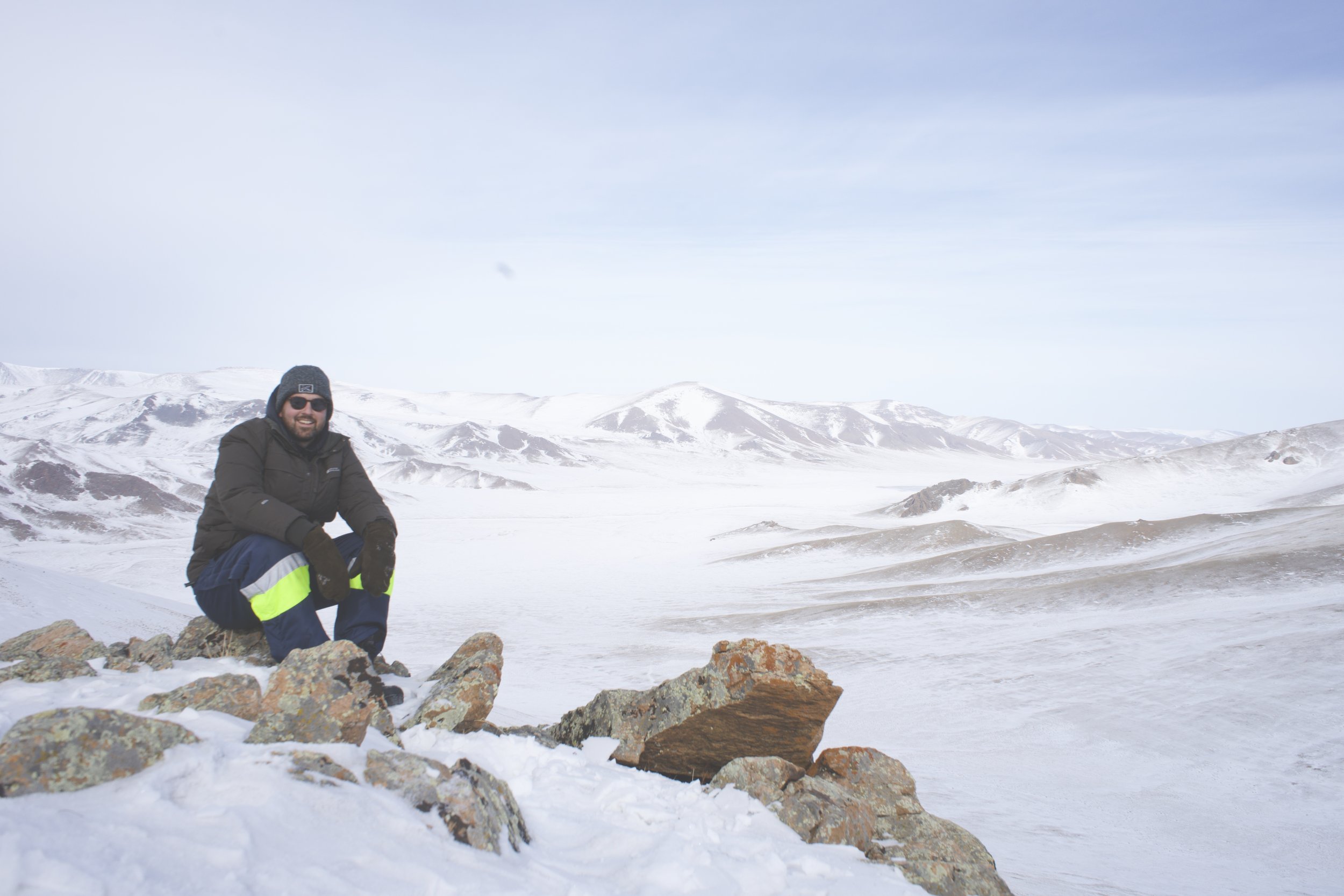
Freezing on a rock above the valley, at a balmy -25c.
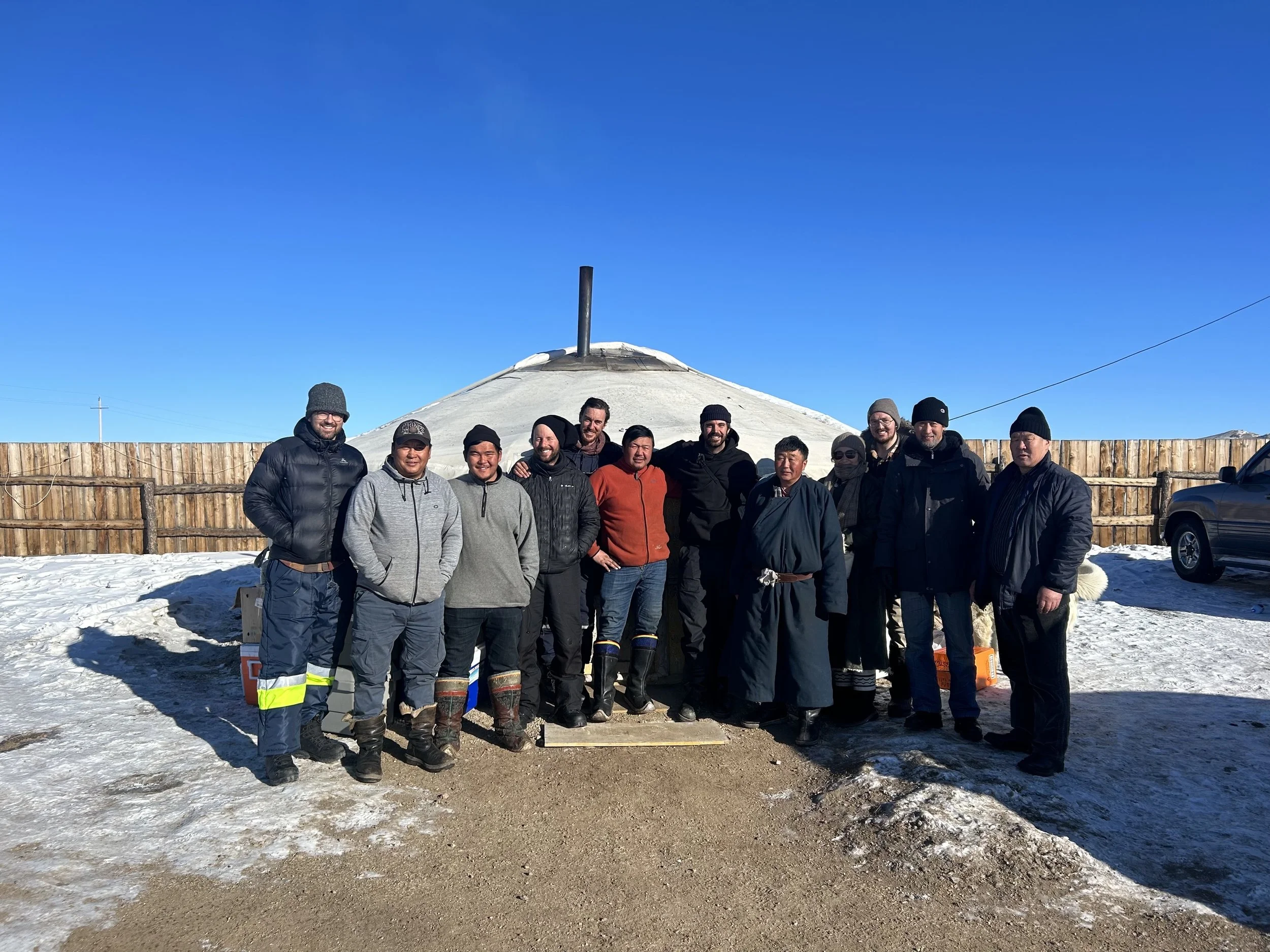
The Iron Winter crew in Tsaikhir Tsum Center.
Popping in for the last week’s shoot
To get to Tsaikhir is a burden. 12 hours to Seoul; another 4 to UB. Then, a car ride 10 hours west to Tsetserleg. A rest, before an early wake up call to hit the road before sunup. Another 6 hours west to Tsaikhir village. All this, because of the ever-diminishing availability in my schedule, for just five days on the ground.
On the road in Mongolia during winter.
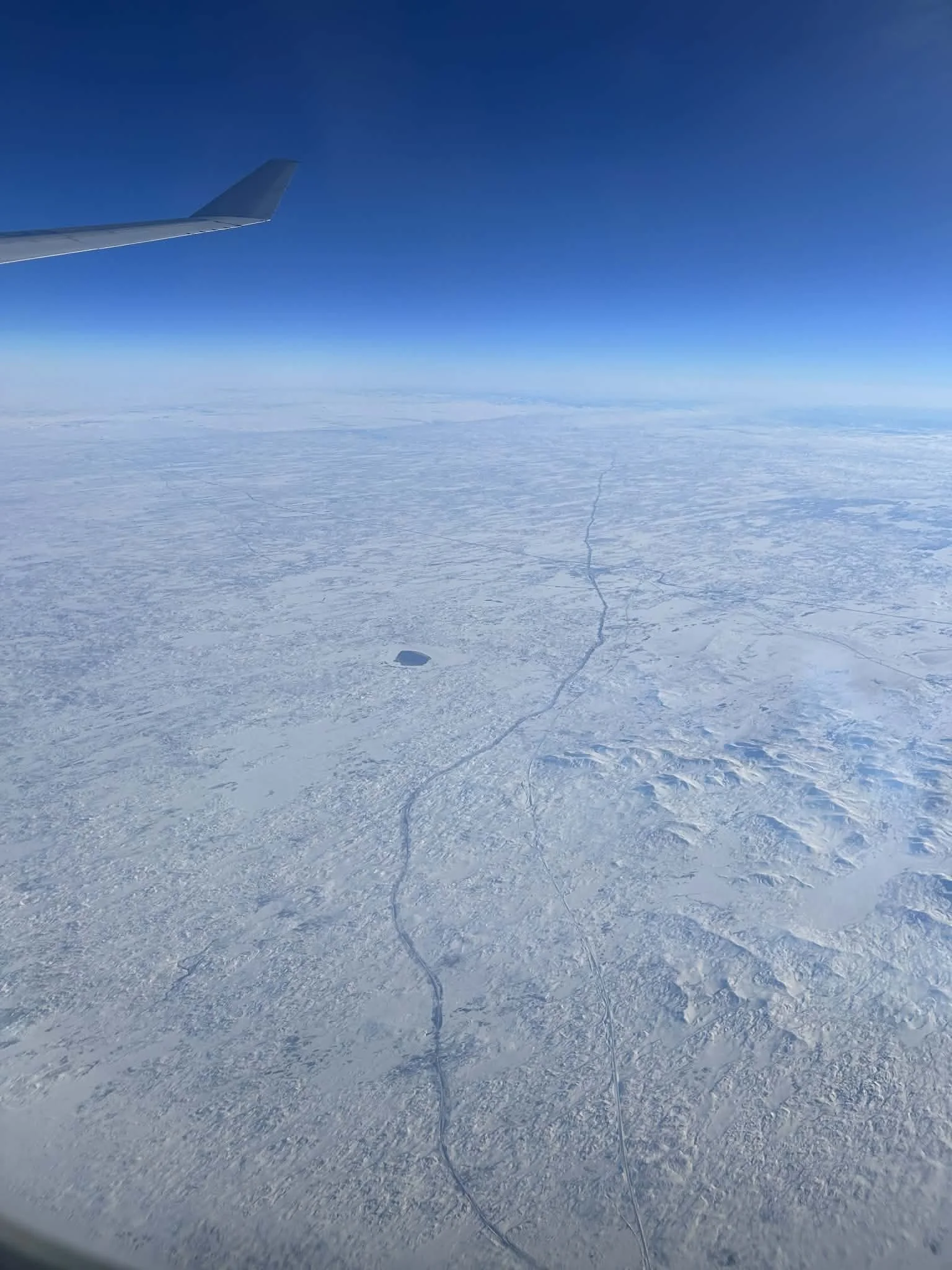
Mongolia from the air.
It was here that I first heard about the traditional practice that informed Iron Winter. Back in 2018, as a hitched my way across Mongolia — as part of my 23,500 kilometer trip across Eurasia — I was informed about the valley’s herding ritual. About the kids that became men in the harshest of environments; about the community that was split as to whether to preserve an ancient tradition or to let it fade.
Back in Australia, I knew the story was bigger than the written word, so we assembled a bunch of film makers to make it a reality. Ben Golotta and I first headed back in 2022, for a recce and to piece together a story on the community for Al Jazeera.
From there, things snowballed. And six years later, there they were – a motley crew of Aussie filmmakers, producers, and Mongolian fixers and translators — converting a crazy idea into a beautiful piece of cinema.
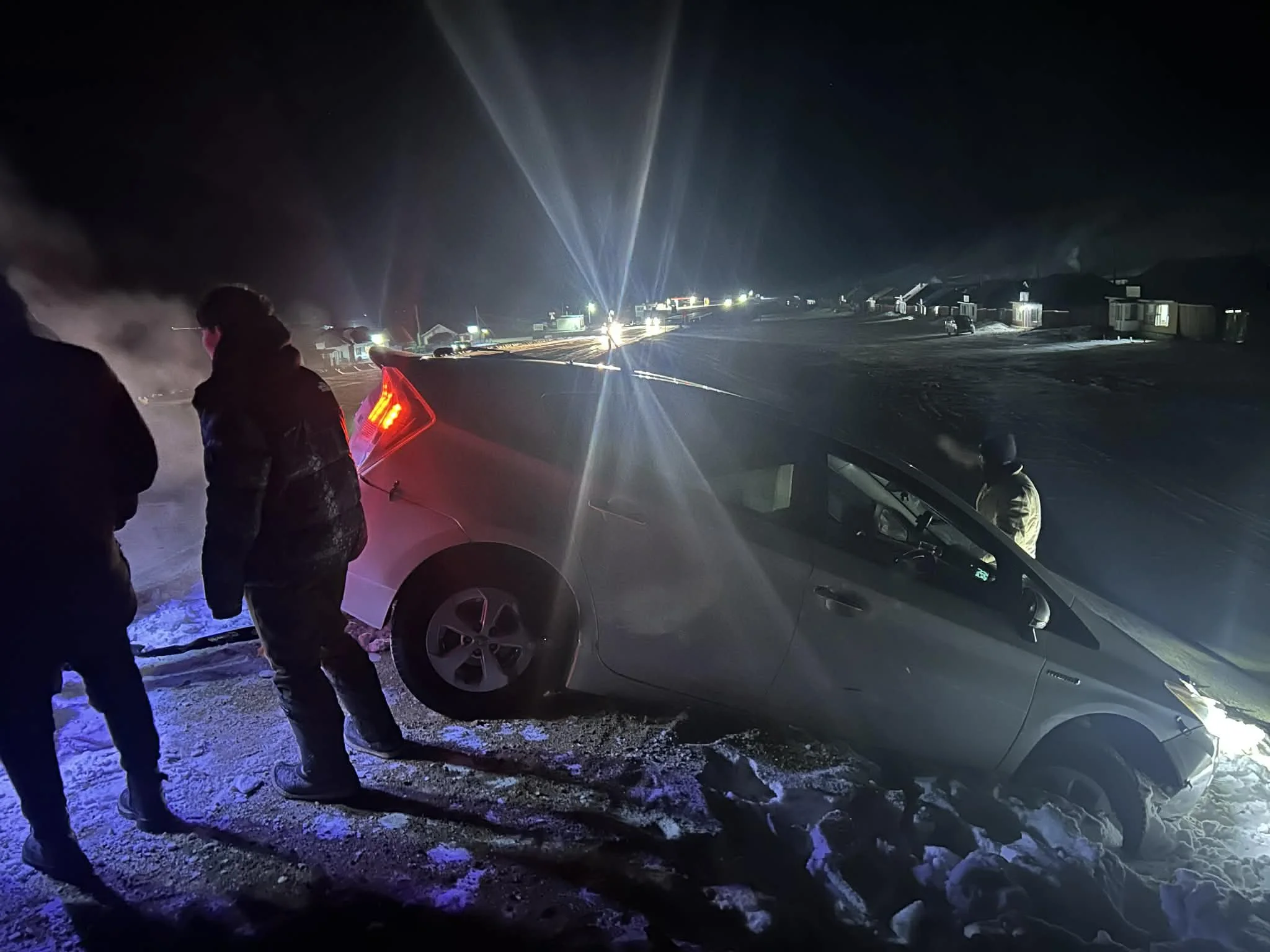
Slippery roads near Tsaikhir.
I was determined to pop my head in for some of the six week shoot, the second of two filming periods that straddled the winter of 2023/4. So I snuck away from the rigours of my day job and made the arduous trek up from Adelaide to Mongolia’s coldest valley.
-40c arrival
I arrived in UB and headed straight into the car to continue moving. First, I grabbed some staples from town (read: a crew member’s vape supply), and then commenced the journey.
16 hours later in Tsaikhir, I was put in touch with a driver. Our mission was to find the crew, and to spend a few days with them as they wrapped the final days of the shoot. Iron Winter documents an annual celebration of horse rearing, which was scheduled to occur deep in the valley the week I was there. So, it was this ritual that I thought would be a logical event to make.
There were two logistical hurdles, however. 1: we didn’t know where the crew actually were. And 2: the weather.
In the Tsaikhir, snow drifts bog cars, even the sturdiest of 4WDs. They also make roads disappear — the paths simply vanish under a fresh layer of snow. And as I arrived in Tsaikhir, a white out blizzard came with me.
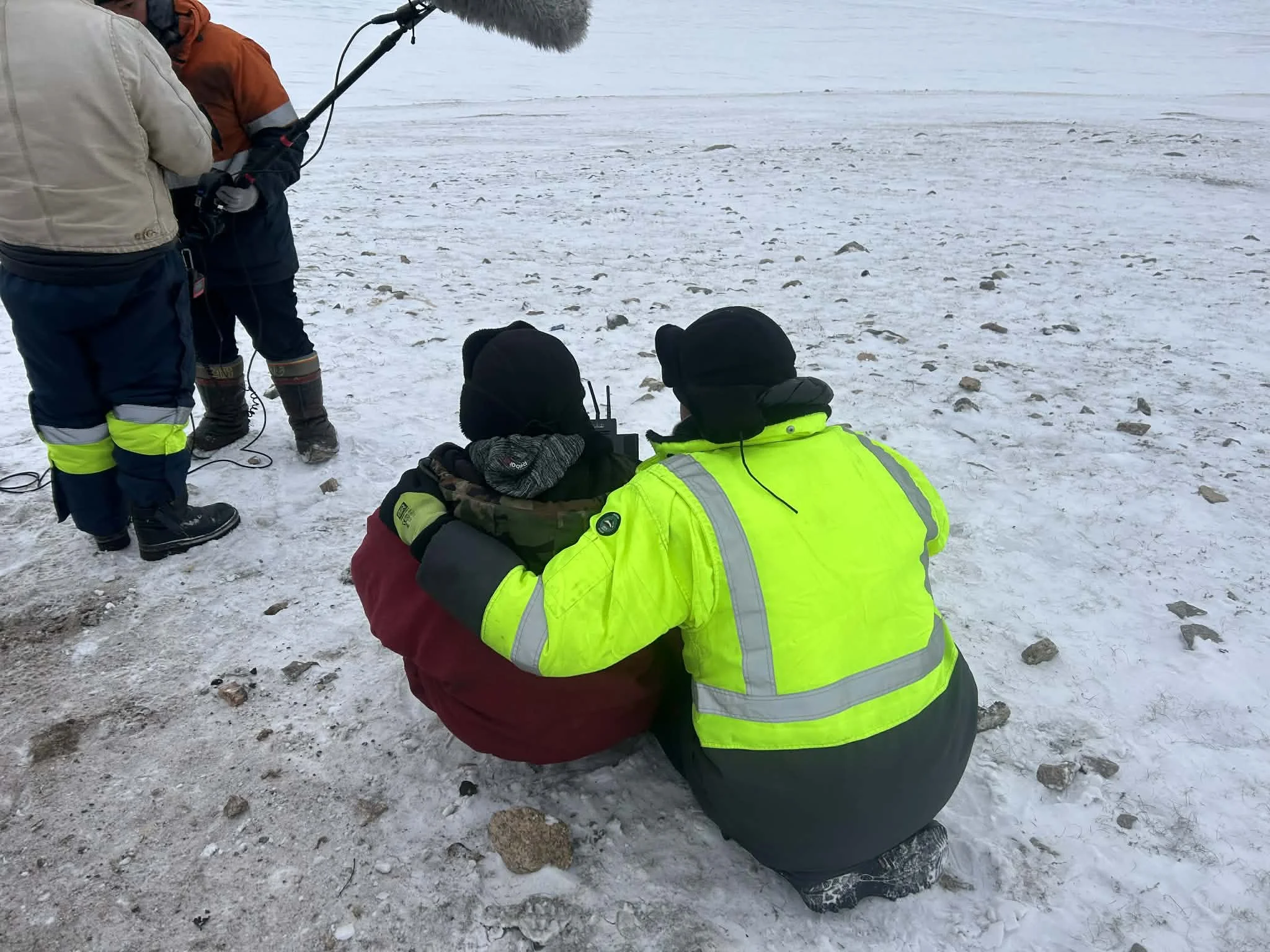
Director Kas Burgess with Batbolt, Iron Winter’s protagonist.
Getting bogged in the snow.
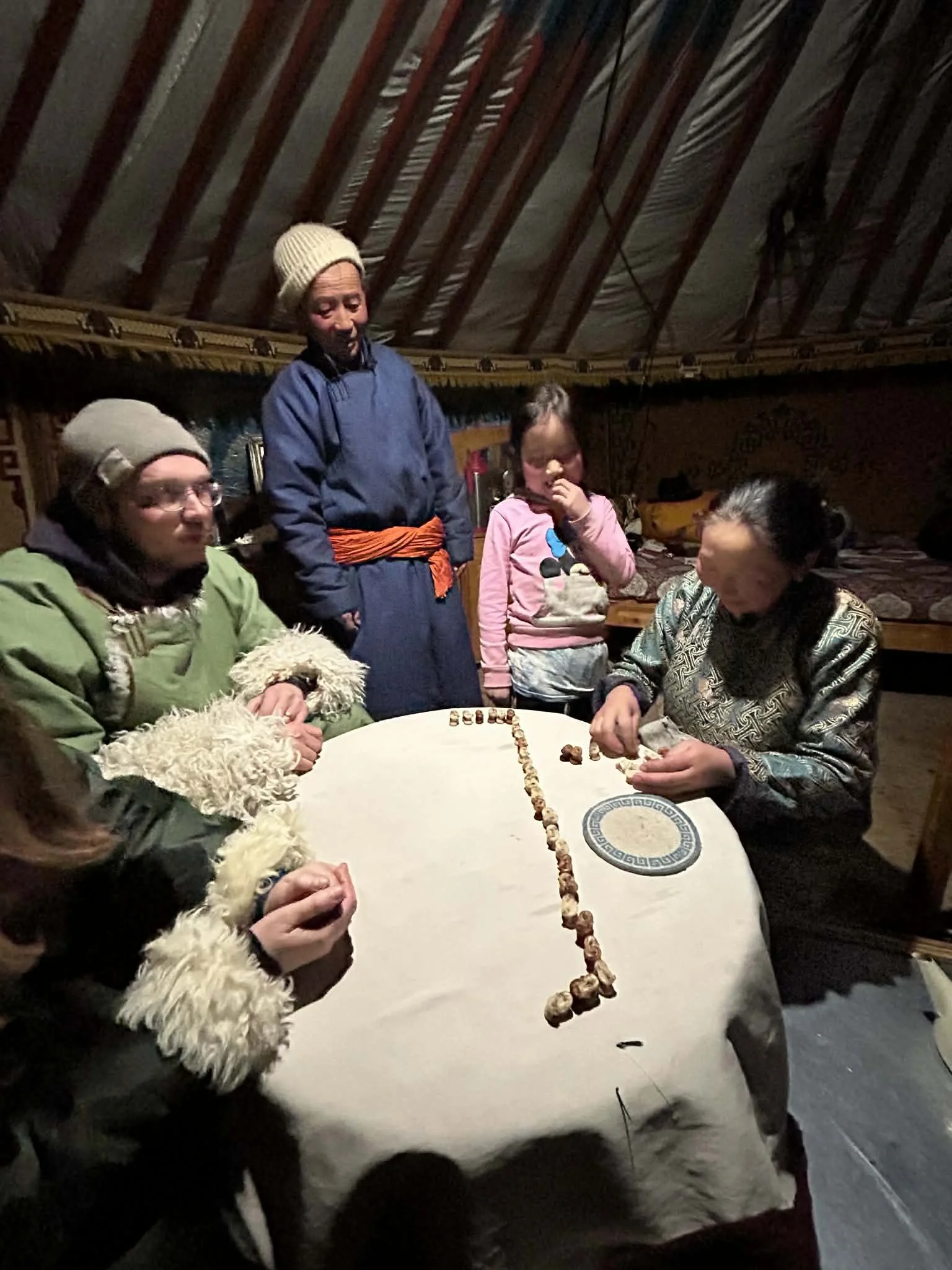
Knuckles.
It delayed my journey into the valley by a day. Eventually, I entered the valley. But almost immediately, roadblocks emerged. The car I was traveling in was bogged every kilometer or two. And as the day drew on, it became clear there was no way to make the ceremony. Instead, we bunkered down in a local ger, playing ‘knuckles’, which is a kids game that uses sheep’s bones.
Midnight rendesvous
At midnight, crew member Morgan Wright appeared out of the ether, on the hill below our ger sanctuary. It was a daunting journey for him, through the depths of night at around -30-40c. I walked down to the car, and around Morgan were about a dozen local Mongolians, who had appeared out of the ether for the meeting.
That night, Morgan and I caught a ride back to Tsaikhir town center, the small community which served as home base for the shoot, and settled in to a ger. There was no fire, so we shivvered our way through the night as our food and our water froze.
For another day, we were stuck in the town center — population around 200 — at the entrance to the valley where the crew were still shooting. But soon enough, we headed back in. This time, with better luck.
After another day’s drive, we stumbled upon the three remaining crew — Kas Burgess, Ben Bryan, Ben Golotta, and a few Mongolian fixers. They were nestled in at a ger camp tucked under two steep hills, in a finger of the broader valley. Here, a local family were based for the winter and played host. Meanwhile, the crew were to film a handful of ‘pick ups’: miscellaneous colour shots of the scenery and characters, to add more material for the edit.
As I arrived, one thing was clear: They all looked exhausted. None were really sleeping well. The environment had harried each of them. They were thin, a little impatient, and chastened by the past six weeks. This was a herculean effort in filmmaking; its physicality evident in their eyes and on their bodies.
Tsaikhir. Where the final few shots were captured.
Two nights on set
For the next two days and nights, I shadowed the crew as they pieced together a handful of final scenes.
Working in these conditions was brutal. The temperature hovered around -30c. What this practically means is that outdoor activity is undertaken in short bursts. To be outside, you are covered with thick layers, so heavy that it is challenging to trudge through the snow. While outdoors, there is no access to drinking water, either, as it will instantly freeze. So you are paradoxically warm and exhausted, heaving under multiple layers, while desparately thirsty and, it feels, perennially on the cusp of dehydration.
My job that week was simple — help where I could, and stay out of the way. I cleaned up people’s bags and suitcases; made cups of tea; and when back in the main village, even tried my hand at cooking for the crew. That, and purchasing a couple of cases of Chingis, the national beer.
My awful cooking, which I subjected the crew to.
Sharing a marmot with the local crew on the final night of filming.
We got back to the village after a couple of days of pick up shots, for a few more interviews and conversations before the whole crew and I made our way back east to the capital.
Iron Winter is an improbable project. It was a simple idea, but the execution was unbelievably complex and dangerous. Watching the finished product, it looks the quality of a BBC documentary. But this was a film with a razor thin budget, that defied the odds from day one. It was a privelege to return to Tsaikhir, after so many years, to witness this story being crafted. It was even more of a privilege to be able to work with an incredible team of dedicated filmmakers to sensitively tell a story that may never have the chance to be told again.
Iron Winter was released on March 19 in cinemas in Australia. Streaming details to come.